


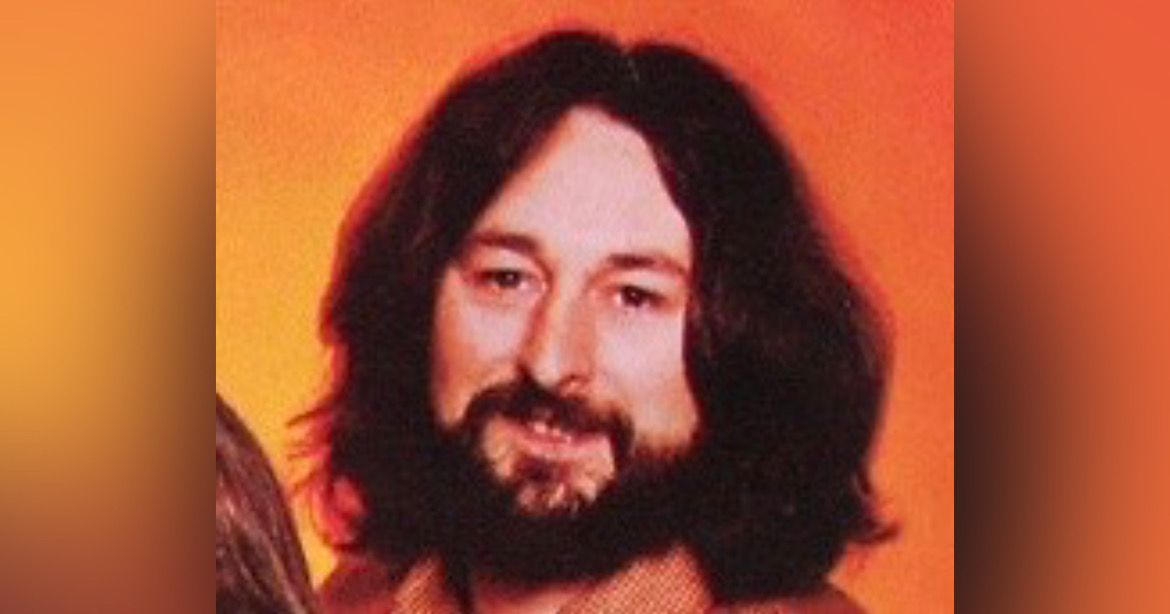
(September 13, 2025) – In the end, Rick Davies was Supertramp, the legendary British progressive-to-pop/rock band cofounded by its two principal songwriters, Davies and Roger Hodgson. In 1983, after the band had peaked commercially with 1979’s Breakfast in America, Hodgson left and Davies acquired all naming rights to the group, which continued to tour for the next four decades. Davies was the band’s sole original member when he passed away on September 6 in New York at the age of 81 after a battle with cancer.
Davies and Hodgson couldn’t have been any more different. Davies was the baritone while Hodgson was the distinctive tenor behind hits like “Dreamer,” “Give a Little Bit,” and their biggest hit, 1979’s “The Logical Song.” While Roger’s songs were at times more introspective and uplifting, Rick’s compositions were just as introspective but more romantic, often mournful, with jazz influences. His magnum opus, “Goodbye Stranger,” is among this blogger’s favorite tunes of the entire ‘70s decade and, alongside Hodgson’s “The Logical Song” and “Take the Long Way Home,” helped Supertramp’s Breakfast in America sell more than 20 million copies worldwide.
Interesting though was the legal arrangement that Davies and Hodgson made prior to the band achieving its first commercial success in the mid-1970s: that both men would share songwriting credits on their compositions, regardless of which man wrote them. It was Lennon/McCartney-esque in nearly every sense because, like the two former Beatles toward the end, Hodgson and Davies rarely wrote together. In fact, of the 47 Supertramp songs that were credited to both Rodgers and Davies as part of their songwriting partnership, only two were actually written by both men. Twenty-four of the tunes were written by Hodgson, and the remaining 21 were by Davies. With their partnership’s dissolution in 1983, each man was given contractual and publishing rights to their own compositions, something which differentiated them from the famous Lennon-McCartney arrangement where both principles retained joint rights (at least when they owned them) to all their compositions. Also, both Hodgson and Davies were legally bound to share royalties with their other three bandmates who formed the classic lineup from 1973-83: Dougie Thomson (bass), Bob Siebenberg (drums), and John Helliwell (saxophone).

Supertramp ranks among this blogger’s favorite rock bands of all time. I’ve gone long stints of binging on their albums – from underrated classics like Crime of the Century and Even in the Quietest Moments to the more commercial leaning Famous Last Words and, of course, Breakfast in America. To me, they were part of an A&M Records one-two punch that included label mates Styx, both bands being part of my corporate-bordering-on-progressive rock introduction in 1977 (despite both having released some of their best work earlier). That both bands are not in the Rock and Roll Hall of Fame is remarkable given the timelessness of their songs and their undeniable contributions to popular music. Musicians have gotten into the Rock Hall on far fewer credentials than Breakfast in America alone.
It is with that in mind, in honor of the late Rick Davies, that DJROBBLOG is paying tribute with a ranking of what the blog considers his best tunes. The rankings are strictly personal, and I encourage readers to comment in the “Your Thoughts” section below or on any of the social media platforms where this article is posted about your favorite Rick Davies (or Supertramp in general) songs.
Here are my 15 favorite Supertramp songs written by Rick Davies.
15. “Casual Conversations” (1979, Breakfast in America).
The divide between Hodgson and Davies was widening at the time the band recorded its biggest album in 1979. Davies said in interviews that “Casual Conversations” reflected the rift between the two principals, with lyrics describing their inability to communicate, like “It doesn’t matter what I say, you never listen anyway” and “if you must leave, then go ahead…Should feel sad, but I believe that I’m glad.” Hodgson would leave four years later.
14. “Crime of the Century” (1974, Crime of the Century).
Considering today’s news cycle and murder of the highly political figure Charlie Kirk on September 10, 2025, this song is both poignant and prescient. As its album’s title track, “Crime” culminates a conceptual LP about a man named “Rudy” (that namesake song comes up later here) who is dealing with disillusionment, social alienation, and a personal struggle for identity with lyrics like “rip off the masks and let’s see.” Eventually, the track—with its swirling, dramatic instrumentation—lands like a violent cry for help.
13. “Asylum” (1974, Crime of the Century).
This haunting tune has a cinematic quality, with several distinct musical arrangements, vocal howls and screams, and lyrics that explore themes of inner turmoil and mental decline. Not as well-known as the album’s more famous “Bloody Well Right,” “Dreamer,” and “Rudy,” it faithfully represents Supertramp’s trademark blend of prog-rock, jazz, and pop.
12. “Ain’t Nobody But Me” (1975, Crisis? What Crisis?).
Perhaps no song encapsulates Davies’ jazz and blues influences more than “Ain’t Nobody But Me.” This second single from Crisis? What Crisis? also showcased his penchant for being the songwriter more focused on relationship turmoil, sometimes with finger pointed squarely at self, with lyrics like “sometimes I’m mean, sometimes I’m vicious.” At times it wasn’t clear though whether Davies was the one offering an apology or seeking one from his love interest.
11. “Gone Hollywood” (1979, Breakfast in America).
Breakfast in America was Supertramp’s somewhat satirical look at the U.S. from the band’s British perspective. Perhaps no song epitomized the cynicism better than “Gone Hollywood,” which lamented the protagonist’s inability to make it in Tinseltown. It was also a great way to kick off the album whose ten tracks were equally split between Hodgson and Davies.
10. “My Kind of Lady” (1982, Famous Last Words).
Supertramp never matched the success of 1979’s Breakfast in America, but their 1982 follow-up wasn’t such a bad attempt. Its first single was Hodgson’s “It’s Raining Again,” followed by this throwback, doo-wop styled Davies ballad. It was the band’s penultimate top 40 hit, peaking at No. 31 in early 1983. And for all those who thought Hodgson was providing the falsetto chorus on this and other Davies’ tracks, it was actually Davies who famously switched from his natural voice to the falsetto, with the help of double-tracking and a phaser (and as shown in the above official music video — one of the band’s few).
9. “Put on Your Old Brown Shoes” (1982, Famous Last Words).
The better Davies track from Famous Last Words was this bluesy, nostalgia-yearning one. It contains the band’s signature keyboard playing but also features acoustic piano flourishes and a flute that brings up the old-timey theme, highlighted by lyrics that yearn for the past but also provide optimism for the future. With lines like “goodbye rain and depression,” it’s almost like Davies is finally moving on from the themes that dominated his earlier work.
8. “School” (1974, Crime of the Century).
This is one of the two tracks that Davies and Hodgson truly co-wrote, with Hodgson, not Davies, providing the lead vocal. From their breakthrough LP Crime of the Century, “School” is a prog-rock gem that continued the album’s theme of protagonist Rudy’s disillusionment with institutions, this one being higher education, again foreshadowing a growing sentiment in 21st century American (and maybe British?) society.
7. “Just Another Nervous Wreck” (1979, Breakfast in America).
This defiant track from Breakfast in America contains questionable lyrics like “Kill, shoot ‘em up… they’ll yell as they run amuck” and “they’re gonna bleed…that’s what they need; we’ll get together and blow their cover.” But is it merely the frustrated ranting of a protagonist who’s lost his craving for success amid many failures that have left him unable to even “afford the pen” to sign his alimony checks? Oh, and this is one of the album’s more uplifting tracks.
6. “Cannonball” (1985, Brother Where You Bound).
Despite the band scoring its biggest chart hits with Hodgson’s “The Logical Song,” “Take the Long Way Home,” “It’s Raining Again,” and “Dreamer,” Supertramp scored its first and last top 40 hits with Davies’ tunes. The group’s first was “Bloody Well Right” (later in this countdown) and the last was “Cannonball,” a jazz-influenced pop gem that once again placed its protagonist squarely in the midst of a dissolving relationship, this one reportedly with the band’s “less than perfect” concert promoter.
5. “From Now On” (1977, Even in the Quietest Moments).
Despite Supertramp’s growing commercial success after 1974’s Crime of the Century, the band – particularly Davies – continued to explore themes of poverty and failure years later. In this case, he laments over his continued bad luck and considers “robbing a store, escaping the law, and living in Italy.” While Davies’ lyrics weren’t always the most optimistic, the song ends on a somewhat uplifting note, both musically and lyrically, with a rousing call-and-response coda and the protagonist finally coming to terms with “living in a fantasy…from now on.”
4. “Bloody Well Right” (1974, Crime of the Century).
Supertramp’s first top 40 hit was this rocker from their commercial breakthrough in 1974. A classic rock staple for many decades (which is how this blogger was introduced to it several years after its release), “Bloody Well Right” opens (after a 94-second instrumental intro) with the line “So you think your schooling is phony…I guess it’s hard not to agree.” It continues the theme of the album’s school dropout “Rudy” being disillusioned with authoritarianism but is apparently sung from the perspective of someone counseling the wayward protagonist.
3. “Rudy” (1974, Crime of the Century).
And finally, it’s “Rudy” himself. The album’s main character is portrayed as a loser, an uneducated man who “ain’t had no lovin’” and is “on a train to nowhere.” But there’s hope, after all it’s “not as though he’s fat.” It’s lyrics like those that, while mostly serious, are also ironic. This nearly seven-minute opus is Davies and Supertramp at their near-best before Breakfast in America changed everything five years later. It’s also nice to see Hodgson and Davies collaborate on a vocal call-and-response beginning at the 4:38 mark before Davies regains control a minute later. Classic!
2. “Oh Darling” (1979, Breakfast in America).
This is the best love song on the band’s biggest selling album, and it’s also the only one, as the group obviously felt more comfortable exploring themes of isolation, introspection, disillusionment, breakups, fame and success (or the lack thereof). Thus, “Oh Darling” and its lyrics about a protagonist wanting to be the “only one” and hoping for a relationship to continue marks a significant departure for the band whose prior (and future) catalog almost entirely depicts the opposite sentiment. Still, it’s one of the songs I’ve played on repeat since Davies’ death earlier this week.
1. “Goodbye Stranger” (1979, Breakfast in America).
But you knew this, right? “Goodbye Stranger” was Davies’ biggest commercial success, peaking at No. 15 on the Billboard Hot 100 in summer 1979 and continuing the immense success of its parent album. There’s been much speculation about the true meaning of this classic, including whether Davies’ was singing about a dissolving romantic relationship or whether he was saying goodbye to “Mary” and “Jane” as in references to marijuana. Similarly, fans have pondered whether the switch from his natural voice to that famous falsetto on the chorus (yes, that’s his voice not Hodgson’s) was intended to represent the perspective of the ditched ex-partner (“will we ever meet again?”). Either way, “Goodbye Stranger” is widely considered the best track on the band’s best-selling album and one of the best in the band’s entire catalogue. It’s certainly this blogger’s favorite Supertramp song.
Is there any wonder why Supertramp is among my all-time favorite rock groups? Davies’ greatest tunes represent only half of the band’s stellar catalogue and half of the identity that made them so unique. I could — and someday will — come up with the same list for Hodgson’s greatest songs. In the meantime, what were some of your favorite Supertramp songs by Davies? Feel free to comment in “Your Thoughts” below or in any of the social media feeds where this article is posted.
May Rick Davies (July 22, 1944 – September 6, 2025) rest in peace. And may the legacy of Supertramp live on!
DJRob