


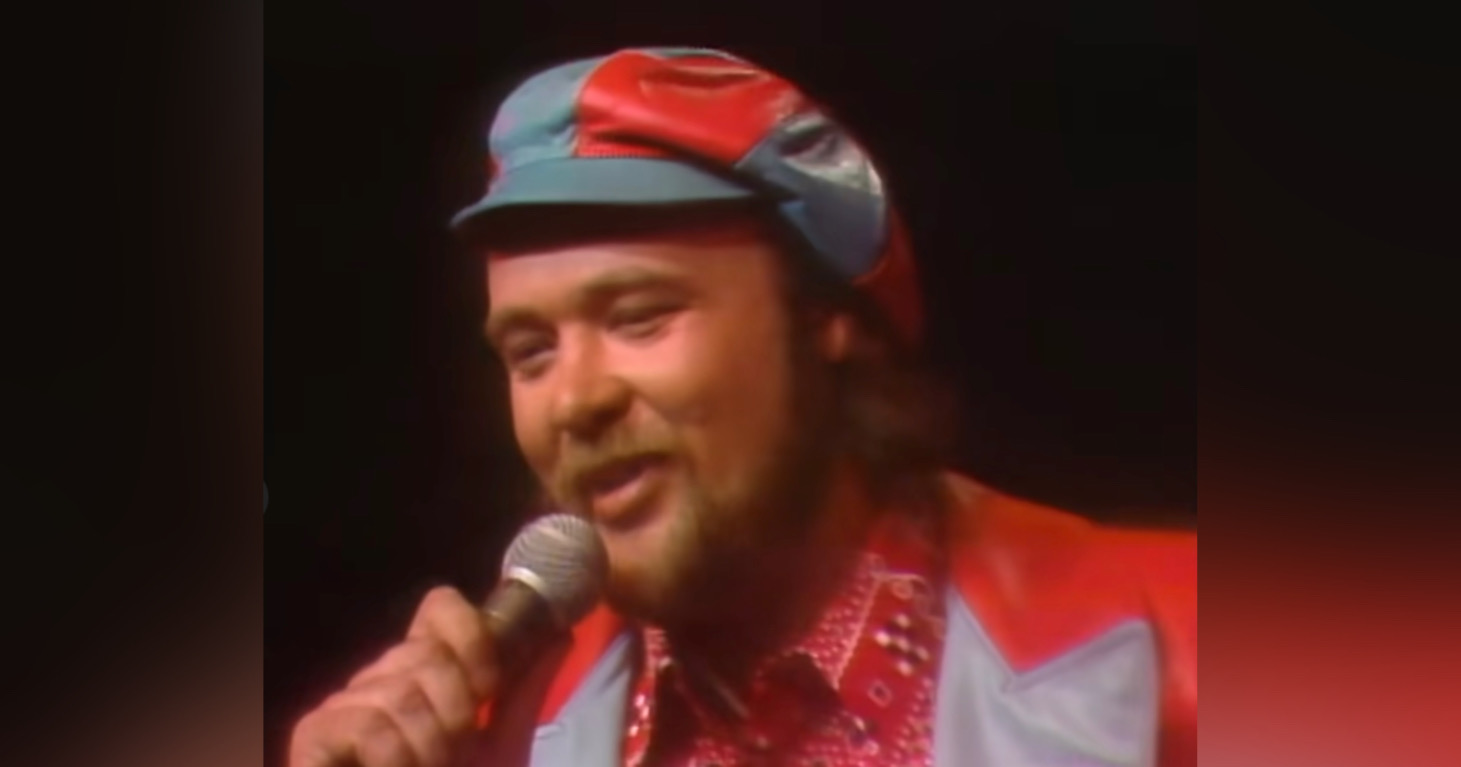
(July 5, 2026) – Much has already been written about David Clayton-Thomas’ remarkable life and career following his passing on June 24 from cancer. But one chapter of his legacy — a Billboard chart achievement unlike any other — has received surprisingly little attention.
As a numbers guy and Billboard chartologist, perhaps no accomplishment fascinates me more than the one he and Blood, Sweat & Tears achieved in 1969.
Their first album together produced three consecutive No. 2 singles. All three spent exactly 13 weeks on the Billboard Hot 100.
No act before or since has duplicated that feat.
How it happened…
Simply titled Blood, Sweat & Tears, it was the jazz-rock fusion band’s sophomore LP and the first featuring Clayton-Thomas who had just joined the resurrected group following their temporary dissolution after their debut album flopped.
It proved to be one of rock’s great mutually beneficial partnerships. Blood, Sweat & Tears had already demonstrated musical ambition but lacked commercial success. Clayton-Thomas, meanwhile, possessed one of rock’s most commanding voices but had yet to find the right national platform. Together they transformed one another’s fortunes almost overnight, with the late-1968 album becoming one of 1969’s defining successes.
The album’s first two singles spent three weeks apiece at No. 2, while the third release spent a lone week there. Ironically, it was that third song, “And When I Die,” that had the best chance of hitting No. 1 except for a little Billboard intervention as the song was ascending the top five.
The song that blocked “And When I Die” from the top was the Beatles’ double-sided single “Come Together”/“Something.” Coincidentally, the week “Die” climbed to No. 2 was also the week Billboard introduced a new chart rule allowing both sides of a hit 45 to combine their chart points into a single chart entry. The Beatles became the rule’s first beneficiary, vaulting their combined single to No. 1 and leaving Blood, Sweat & Tears with a third straight runner-up hit.
That third attempt sealed their fate.
That misfortune placed BST in the record books as the only act to have their first three singles – each from the same album — all peak at No. 2 and spend the same number of weeks – a lucky 13 – on the chart. All three singles were also certified gold for one million sales during their original release cycles. What’s more, the three songs contributed to the band earning the following year’s Grammy for Album of the Year, and helped establish the template for the horn-driven bands that would flourish on Columbia Records, including Chicago and later Earth, Wind & Fire.
Numerology and chart geeks must wonder how the stars aligned to create such a chart phenomenon. Perhaps the moon was in the seventh house, or maybe it was some futuristic cosmos thing from the year 2525 that was to blame. Technically, both were true: it was the 5th Dimension’s astrologically themed “Age of Aquarius”/ “Let the Sunshine In” and Zager & Evans’ futuristic “In the Year 2525” that kept BST’s first two singles — “You’ve Made Me So Very Happy” and “Spinning Wheel,” respectively — from reaching No. 1.
At first glance, Creedence Clearwater Revival appears to challenge this distinction — they also had three No. 2 hits (of their career five total) in 1969. But they were not the first three chart hits for CCR, and they were not all from the same album. So, BST’s Blood, Sweat & Tears album still stands as the only one in history with three chart singles to accomplish such a feat.
Fittingly, those three songs became the band’s own “blood, sweat and tears.”
“You’ve Made Me So Very Happy” was like the band’s lifeblood, a euphoric expression of romantic happiness that initially connected them to millions of fans. The soulful follow-up “Spinning Wheel” – arguably BST’s signature hit and the first one penned by Clayton-Thomas – was the group’s sweat – acknowledging the amount of work it takes to succeed, the highs and lows of life, and the idea that “what goes up must come down.”
And finally, “And When I Die” was the group’s tears – blending an acceptance of death with a plea for a natural, peaceful passing, while also celebrating the continuity of life through new generations. The Laura Nyro-penned tune’s refrain: “And when I die… there’ll be one child born in our world to carry on.”
BST helped make 1969 historic.
Blood, Sweat & Tears contributed to another chart record. With “And When I Die” capping a year that had sixteen other runner-up singles, it made 1969 the record-holder for having seventeen different songs peak at the No. 2 position. No other year has threatened that record either before or since. Perhaps it was fitting that an upbeat song embracing death closed a year whose first runner-up had celebrated life – Stevie Wonder’s “For Once in My Life.”
None of those remarkable chart coincidences would have been possible without Clayton-Thomas himself. His husky baritone-tenor transformed Blood, Sweat & Tears from a promising jazz-rock experiment into one of the defining crossover acts of the era.
For all the improbable chart coincidences surrounding Blood, Sweat & Tears, perhaps the biggest stroke of fate was that the band and Clayton-Thomas found one another at exactly the right moment. Separately, neither had achieved lasting commercial success. Together, they created one of popular music’s most celebrated albums — and one of Billboard history’s most unusual statistical records.
Clayton-Thomas died on June 24 at age 84. And, fittingly, according to published reports, he died naturally — just as he hoped in “And When I Die.”
May David Clayton-Thomas (1941 – 2026) rest in peace.

DJRob
DJRob (he/him) is a freelance music blogger from the East Coast who covers R&B, hip-hop, disco, pop, rock and country genres – plus lots of music news and current stuff! You can follow him on Bluesky at @djrobblog.bsky.social, X (formerly Twitter) at @djrobblog, on Facebook or on Meta’s Threads.
You can also register for free by selecting the menu bars above to receive notifications of future articles.